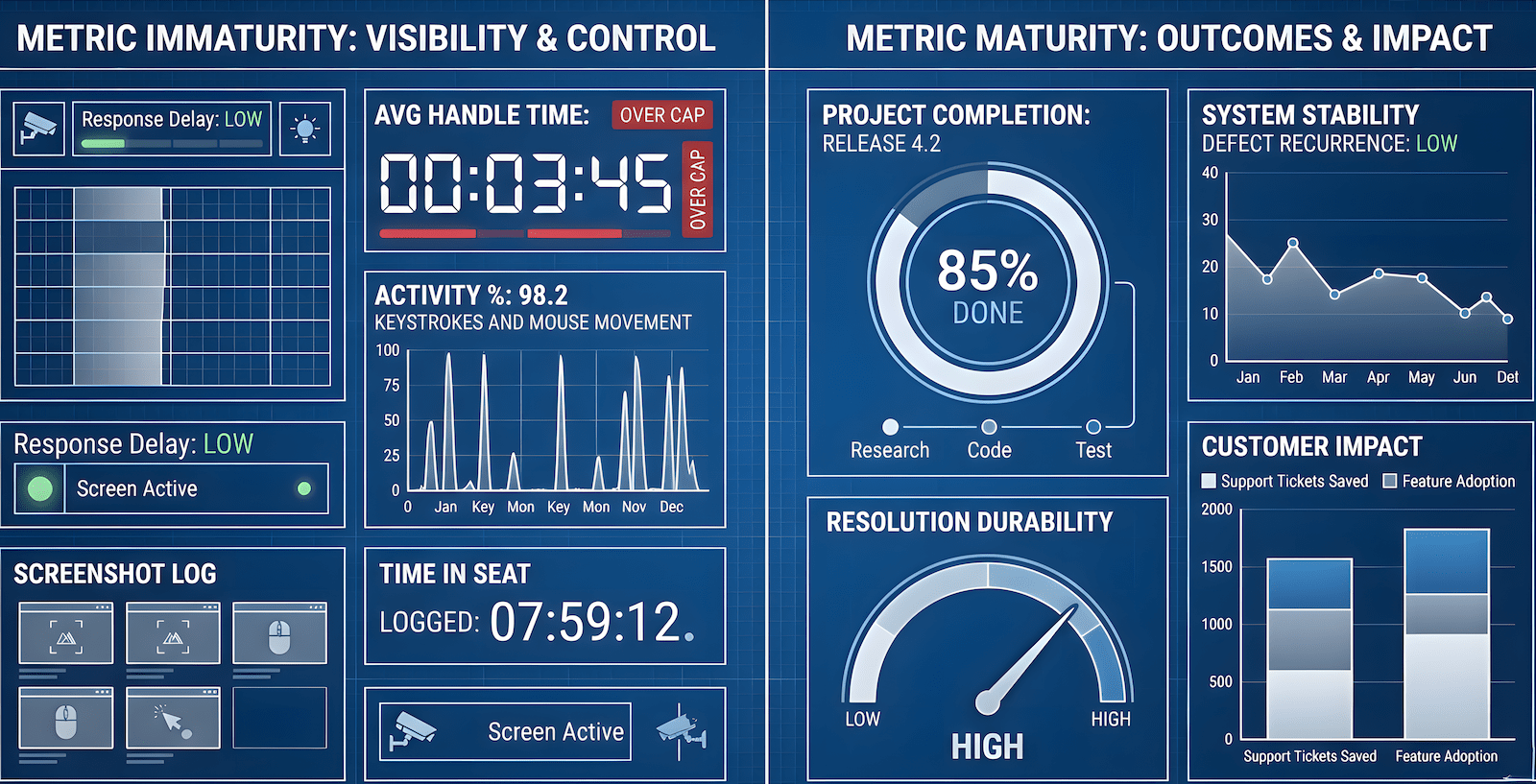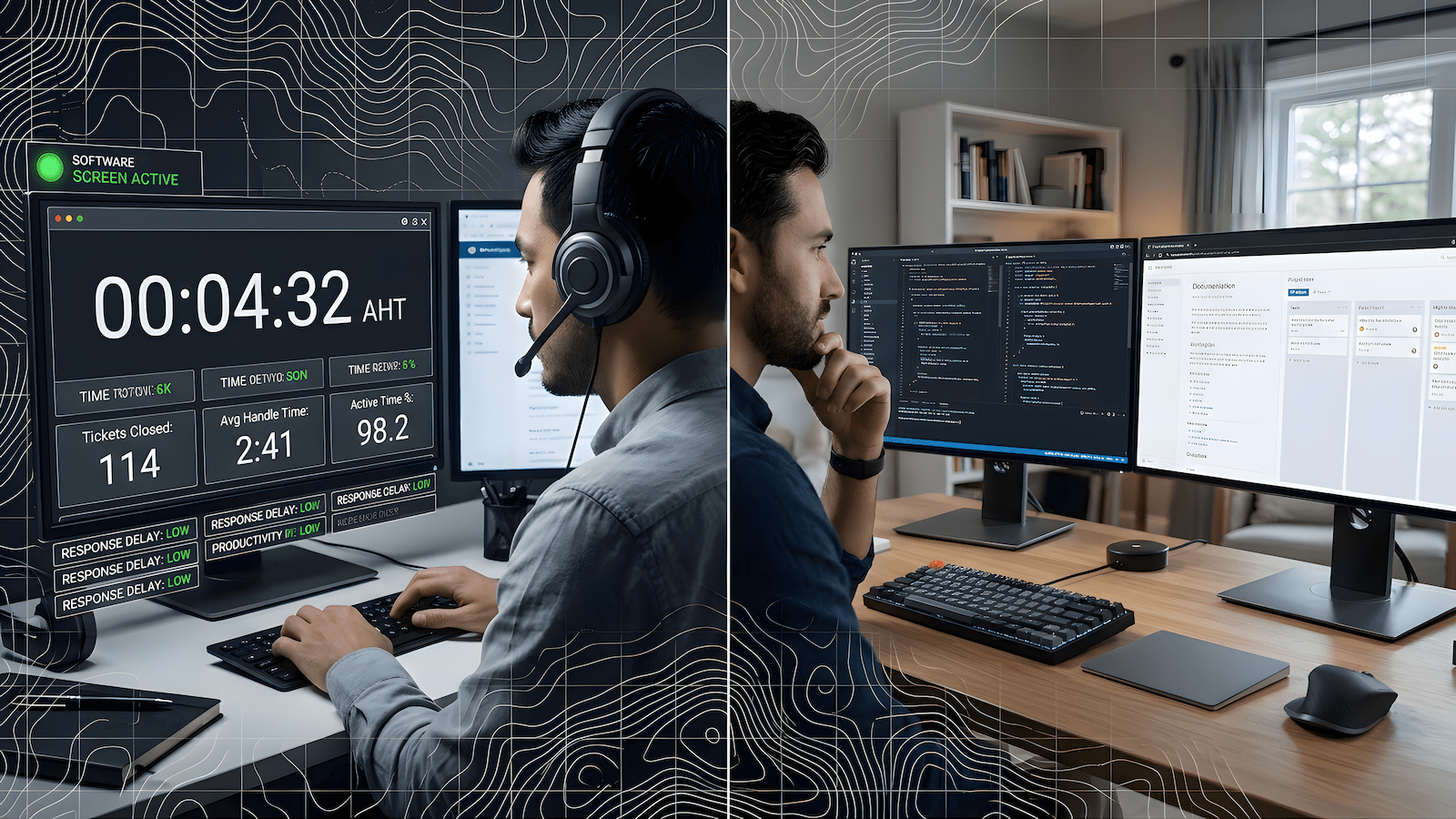
Working from home sounds like the obvious upgrade until you’re six months in and realizing the commute was the only thing separating your work brain from your home brain. The freedom is real. So is the collapse that follows when you don’t build anything to replace the structure the office provided. Working from home problems don’t announce themselves early. They accumulate quietly until you’re exhausted, behind, and not entirely sure how you got there. The fix isn’t discipline or better habits. It’s understanding what broke and replacing it deliberately.
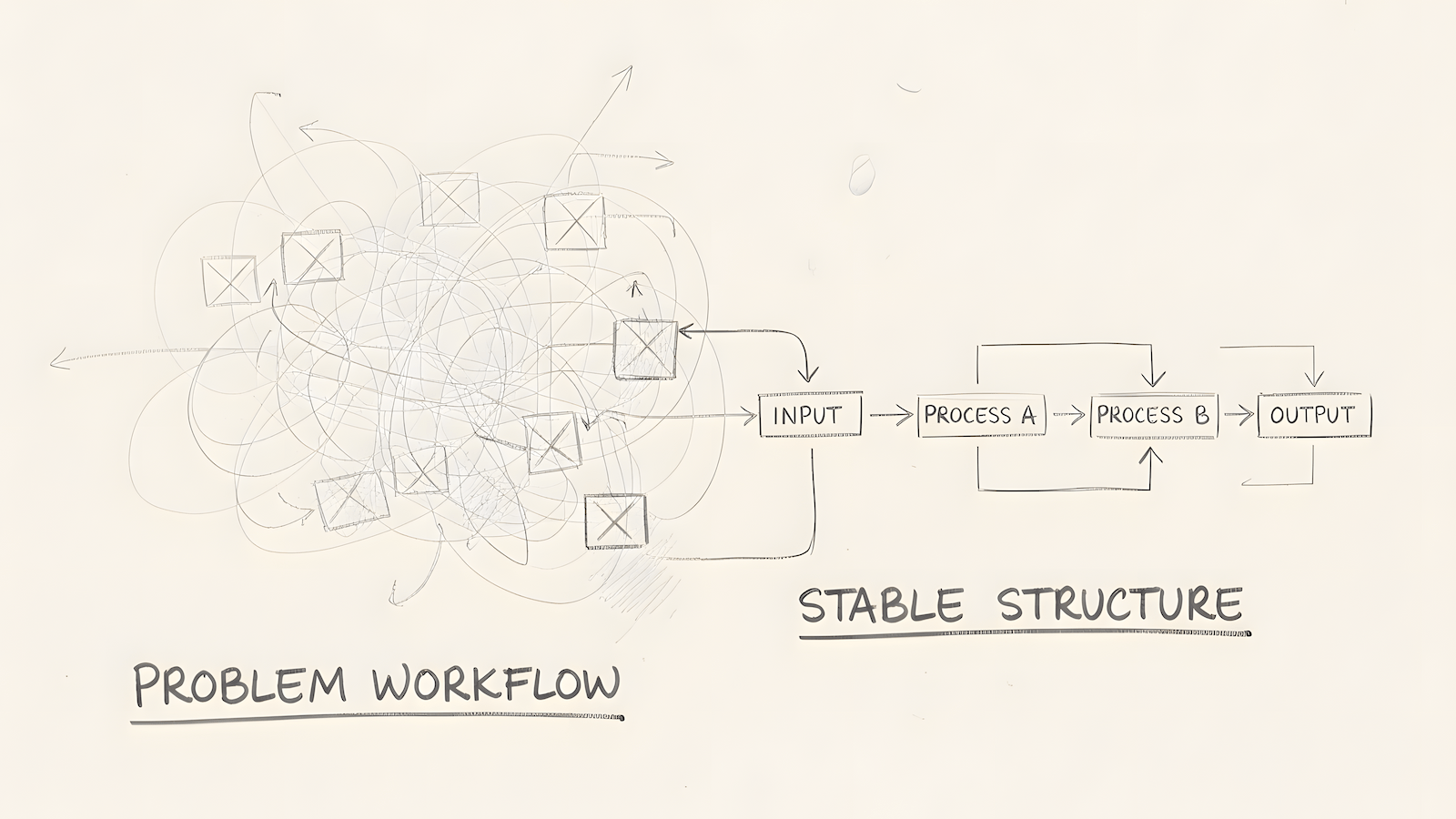
Most remote work advice treats this as a motivation problem. It isn’t. Motivation is inconsistent by design. What the office gave you wasn’t motivation. It was scaffolding, and when you went remote, the scaffolding disappeared overnight while the workload stayed the same. Everything that felt automatic in an office, the start time, the social pressure, the physical separation between where you sleep and where you work, you now have to build and maintain yourself. That’s not a character test. It’s an infrastructure problem, and infrastructure problems have infrastructure solutions.

The Office Was Solving Problems You Didn’t Know You Had
The office was annoying for a lot of reasons, but it was quietly solving several problems simultaneously without requiring any effort on your part. It created a physical transition between home and work that your nervous system used as a mode-switch signal. It gave you a defined start and a defined stop, which meant your brain knew when the workday ended and could actually begin recovering. It put other humans in the room, which generated enough ambient social pressure to keep you on task without requiring you to manufacture that pressure internally. It separated where you slept from where you worked, which meant sleep was actually sleep and work was actually work. When you went remote, all of that disappeared at once, and most people replaced none of it.
The result is what most remote workers describe after their first year: the work expanded to fill every available hour, rest stopped feeling like rest because the laptop was always within reach, and productivity became harder to measure because there was no longer any natural boundary around it. Waking up tired despite sleeping enough. Feeling guilty for not doing more on days when you already worked ten hours. Losing track of what you finished this week even though you were busy the entire time. None of that is a personal failure. It’s what happens when the scaffolding disappears and nothing goes up in its place.
Working from Home Problems Start with the Physical Setup
You don’t need a perfect home office. You need one that stops fighting you. A chair that supports your lower back properly, a monitor at eye level, and lighting that isn’t just whatever the ceiling fixture does, those three things remove the physical friction that drains you slowly over a full workday. Everything else is optional until those are sorted. If you’re making decisions about standing desks and monitor arms while your chair is destroying your posture, you’re optimizing in the wrong order. What actually matters in a home office setup is a shorter list than most people think.
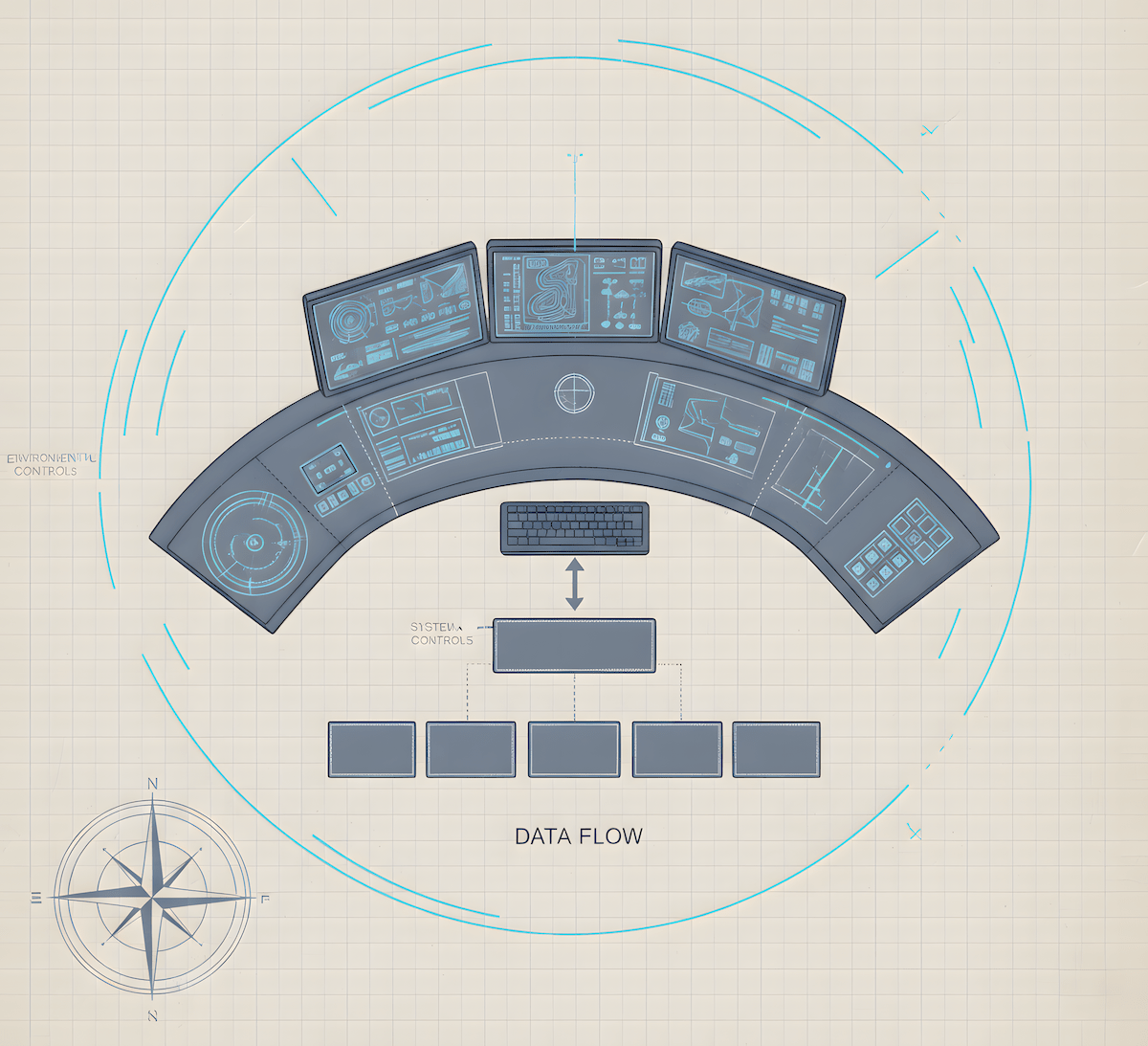
The desk location matters more than the desk itself. If your desk is in your bedroom, your brain won’t fully separate sleep from work because they share the same physical space, and both activities will be worse for it. If the only place you can work is also where you decompress, you’ll find that neither the work nor the decompression ever feels complete. A corner of a living room with a dedicated chair and a rule that the laptop stays there is more effective than a bedroom setup that costs three times as much. The space trains the brain, and the brain trains the behavior. Your home office is a control room whether you’ve designed it that way or not. The question is whether you’re running it or it’s running you.
Noise is underrated as a working from home problem. Open-plan offices were loud, but they were predictably loud, and your brain can habituate to consistent background noise in a way it can’t habituate to random interruption. A delivery at the door, a conversation from another room, a dog reacting to something outside, these are unpredictable and unpredictability is expensive for concentration. A pair of decent noise-cancelling headphones isn’t a luxury for remote workers. It’s load-bearing infrastructure that should be one of the first purchases you make, not one of the last.
Your Brain Needs a Schedule It Can Predict
Motivation isn’t a reliable operating system for remote work. Routine is. Your brain runs significantly better when it knows what’s coming next because it stops spending energy on orientation and puts that capacity toward actual work instead. A boot sequence in the morning, a defined deep work block, a consistent break point, and a shutdown ritual at the end of the day aren’t productivity theater. They’re the replacement structure for what the office used to provide automatically, and without them you’re asking your willpower to carry a load it was never designed to hold.
The shutdown ritual is the one most remote workers skip and the one that matters most. Without it, work bleeds into the evening because there’s no clear signal that the workday ended. It doesn’t need to be complicated or ceremonial. Close the laptop, put it somewhere you won’t look at it, and do one non-work thing immediately after. The physical act of closing and moving the laptop is enough to start training your brain to recognize the boundary. Over time that signal becomes automatic, but it only becomes automatic if you’re consistent about it in the early weeks. Remote work discipline isn’t about grinding harder. It’s about building the signals your brain needs to actually switch off.
Remote Burnout Hides Better Than Office Burnout
Office burnout is visible. Your manager sees it. Your colleagues see it. There’s enough social pressure that the conversation eventually happens whether you want it to or not. Remote burnout has no audience, so it goes unaddressed longer. By the time most remote workers acknowledge it, they’ve been running on deficit for months and the recovery timeline is correspondingly longer than it would have been if they’d caught it early.
The early signs are subtle enough that most people explain them away. You wake up tired despite sleeping enough hours. You feel guilty for not doing more even on days when you objectively worked a full day. You can’t clearly recall what you finished this week even though you were busy the whole time. Your patience for small friction, a slow app, an unclear message, a meeting that could have been an email, gets shorter without any obvious cause. None of that feels like burnout because burnout is supposed to feel dramatic. It doesn’t. It feels like a slow dimming that you keep attributing to a bad week until you realize the bad week has been going on for two months. If you’re already noticing these signs, what’s happening to your recovery isn’t rest, it’s just pausing, and the distinction matters more than most remote workers realize until they’ve already hit the wall.
Context Contamination Is a Working from Home Problem Nobody Names
When your home is also your office, every space in it becomes ambiguous. The kitchen is where you make coffee and also where you take calls. The couch is where you relax and also where you answer Slack messages. The bedroom is where you sleep and also where you check email before the lights go off. Each of those crossovers degrades both activities because your brain can’t fully commit to either mode when the physical environment keeps signaling that both are possible at any moment.
Context partitioning is the practice of making each space do one thing consistently. It doesn’t require a dedicated room or a major renovation. It requires rules and the consistency to enforce them. Work happens at the desk. Rest happens away from the desk. The laptop doesn’t come to the couch. The phone goes face-down during deep work blocks. These boundaries feel arbitrary at first and then feel essential once you notice how much mental load disappears when your environment stops sending mixed signals. Recovery counts as recovery only when your brain actually believes the work is over. Gaming breaks work as remote work decompression precisely because they force a hard context switch that passive activities like TV or scrolling don’t create. The principle is the same for every space in your home: the environment you’re in should tell your brain one thing, not two.
Working from Home Works, But Only If You Build It That Way
Working from home is a better arrangement than the office for most of the people who have access to it. It’s not better automatically. It’s better when you’ve built the infrastructure that makes it sustainable, and that infrastructure doesn’t appear on its own. The physical setup, the routine, the recovery system, the spatial boundaries, none of it shows up just because you started working from home. You have to build it deliberately and maintain it actively, and you have to expect that it’ll take longer than one good week to stick. Most people who say working from home doesn’t work for them haven’t failed at remote work. They’ve failed to build the systems that make remote work actually work, which is a very different problem with a very different solution.