
Remote work didn’t break you. It just removed the guardrails that used to hide weak systems.
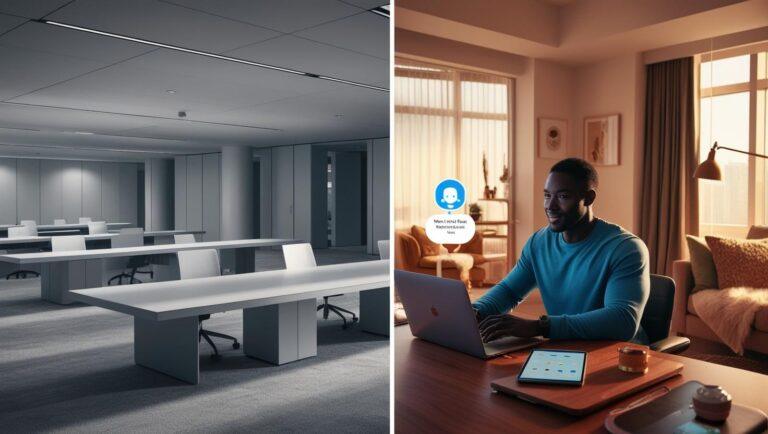
Offices forced structure. Commutes imposed boundaries. Managers created artificial pressure. When those disappeared, what remained was your actual operating system, and for most people, it wasn’t ready.
If you’re reading this while exhausted, underpaid, and wondering if remote work was a mistake, you’re not broken. Your operating system is.
That’s why productivity apps didn’t save you. That’s why better chairs didn’t fix burnout. That’s why flexibility feels like chaos instead of freedom.
This isn’t a motivation problem. It’s a systems problem.
Comfort Isn’t the Same as Control
Remote work feels comfortable right up until it becomes unstable.
You work longer hours but feel less productive. You buy better gear but still feel drained. You “optimize” tools while your focus keeps degrading.
That slide is predictable. Comfort without structure turns into entropy. This is why remote work feels overrated to so many people, and why discipline, not flexibility, decides who lasts.
Burnout Isn’t Overwork, It’s Signal Loss
Burnout in remote work rarely comes from working too hard. It comes from working without clean signals.
Your brain can’t distinguish work from rest. Your desk doesn’t enforce posture, attention, or shutdown cues. Your screen never stops asking for context switches.
That’s why screen fatigue, decision fatigue, and mental burnout cluster together. They’re symptoms of the same failure: no system boundary. You end up in the burnout trap not because you’re working harder, but because you’re working without borders. Even digital nomads with maximum flexibility hit the same wall when the system underneath collapses.
Why Your Chair Didn’t Fix Anything
You bought the ergonomic chair. Maybe the standing desk. Possibly the monitor arm.
And you still feel the same.
That’s not because the gear is bad. It’s because gear is downstream from system design. A $1,200 chair can’t fix a workflow that leaks attention every 8 minutes. The debate between gaming chairs, office chairs, and ergonomic chairs misses the point entirely. It’s not about which chair, it’s about what system the chair sits inside.
The right tools matter, but only after the system is stable. This is why mission-critical gear works for some people and does nothing for others. The gear isn’t the variable. The operator is.
Tools Don’t Create Focus, Systems Do
This is where most setups go wrong.
People obsess over chairs, desks, monitors, and gadgets, then wonder why nothing changes. Tools only amplify the system they sit inside. If the system is broken, the tools just make the failure more efficient.
Your workspace is either reinforcing attention or leaking it constantly. There’s no neutral setup.
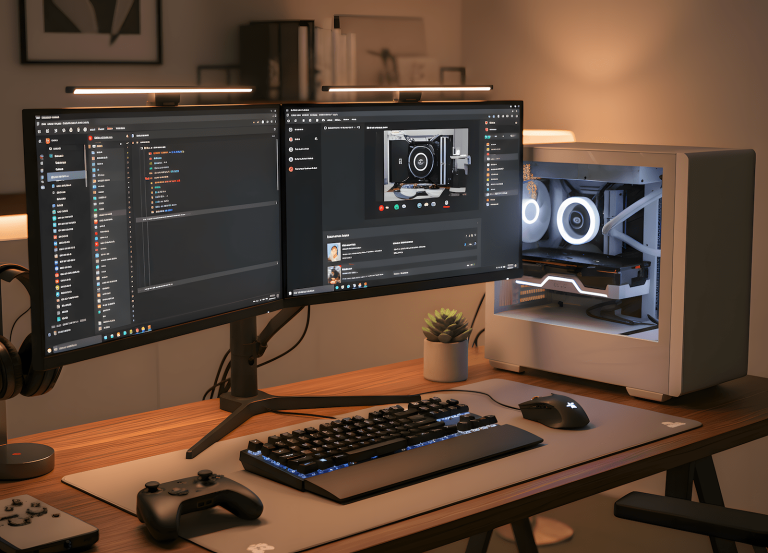
That’s why your home office needs to operate like a control room, not a comfort zone. A clean signal desk setup isn’t about aesthetics. It’s about reducing friction between intention and execution. Essential gadgets only matter when they’re integrated into a deliberate system.
Mental Systems Are the Missing Layer
Most remote workers try to solve cognitive problems with physical solutions, or worse, apps.
Focus, discipline, and momentum don’t come from software. They come from repeatable mental systems that decide when work starts, when it stops, what matters today, and what gets ignored.
Without those systems, flexibility becomes a liability.
This is where remote work splits into two paths: people who design structure deliberately, and people who slowly lose leverage. The best mental systems for remote work productivity aren’t complex. They’re consistent. And they require self-reliance, adaptability, and discipline that most people never had to build in an office.
AI Won’t Fix a Broken Operator
AI tools promise leverage, speed, and relief, but only if the operator is stable.
If your workload is undefined, AI multiplies noise. If your boundaries are weak, AI extends work into every hour. If your thinking is scattered, AI accelerates confusion.
That’s the productivity paradox nobody wants to admit: AI doesn’t solve structural failure, it exposes it. Remote work broke you, and no app will save you. Not because apps are bad, but because they can’t fix what’s upstream.
The Reality Check Nobody Wants
Remote work rewards people who can enforce boundaries without managers, recover from burnout without disappearing, lose a job without losing identity, and miss a deadline without spiraling.
That’s not lifestyle design. That’s operational resilience.
And it’s why survival posts matter more than inspiration. The truth about work from home jobs isn’t what the LinkedIn posts say. Freelancing looks like freedom until the trap closes. Knowing how to recover after missing a deadline or after job rejection isn’t pessimism. It’s preparation.
What Actually Works Long-Term
Remote work doesn’t need saving. It needs structure, friction, and accountability, designed on purpose.
The people who last aren’t the most flexible. They’re the most deliberate.
Deliberate systems. Deliberate setups. Deliberate recovery. Deliberate discipline.
Everything else is just coping.
Where to Go Next
If remote work feels heavy, don’t add more tools. Start with structure.
Fix the system first. Your home office is a control room, not a living room. Cut the cognitive noise with a clean signal desk setup. Rebuild discipline through remote work discipline and job security.
Remote work doesn’t forgive drift. But it rewards people who build systems that hold.

WFH Survival Architect • Licensed Procrastination Consultant
I write about the systems most remote workers never build. The structure that keeps you operational when flexibility becomes chaos. The boundaries that prevent burnout from becoming permanent. Built RemoteWorkHaven.net for people who need reality checks, not motivation porn.