
Most people who know how to sell on a real live call lose conversions the moment they move to a website or a livestream. The skills transfer poorly because the channel changes the sequence, and almost no one teaching affiliate marketing or online selling explains that difference clearly.
Sales, marketing, and affiliate marketing are not the same activity. Treating them as interchangeable is the fastest way to apply a process that works in a real conversation to a medium that cannot adapt in real time.

The three things people keep mixing up
Sales is the direct act of moving a specific person from interest to a decision. In a genuine face-to-face conversation or a proper one-to-one call you can hear the hesitation, ask the next question, and adjust while the person is still talking. The sequence is diagnose, resolve friction, then recommend. Even then you do not fully control the outcome. If the person does not have the money or the interest is not real, the sale is gone no matter how clean the process was.
Marketing is the broader work of creating awareness and attracting the right people at scale. It does not close the deal. It hands a warmer prospect to sales or to a self-serve path. On a website, marketing shows up as the traffic source, the headline, and the positioning that decides whether someone stays long enough to read.
Affiliate marketing is a performance-based subset of marketing. You promote someone else’s product with a tracked link and earn only when a sale or defined action happens. You control the promotion. You do not control the product, the checkout, or the fulfillment. Most beginner content stops at “sign up for a program and share links.” That description is accurate and incomplete. It never addresses how the promotion itself has to change when the reader is alone on a page or watching a one-to-many stream instead of talking to you.
The practical distinction is simple. Real sales happens in a conversation you can adapt. Marketing attracts. Affiliate marketing is marketing paid on results. When these move onto a website or a livestream, the conversation disappears and the sequence has to be rebuilt from scratch.
What changes when the channel switches
On a proper live call or face-to-face interaction the strongest process most people learn is the one that works in BPO and consultative environments. Resolve the immediate issue first. Build enough trust that the recommendation feels like the logical next step rather than a pitch. Only then offer the thing that improves the customer’s state. That sequence is effective because you can read the room in real time. You still cannot force the close if the person is not ready or cannot pay.
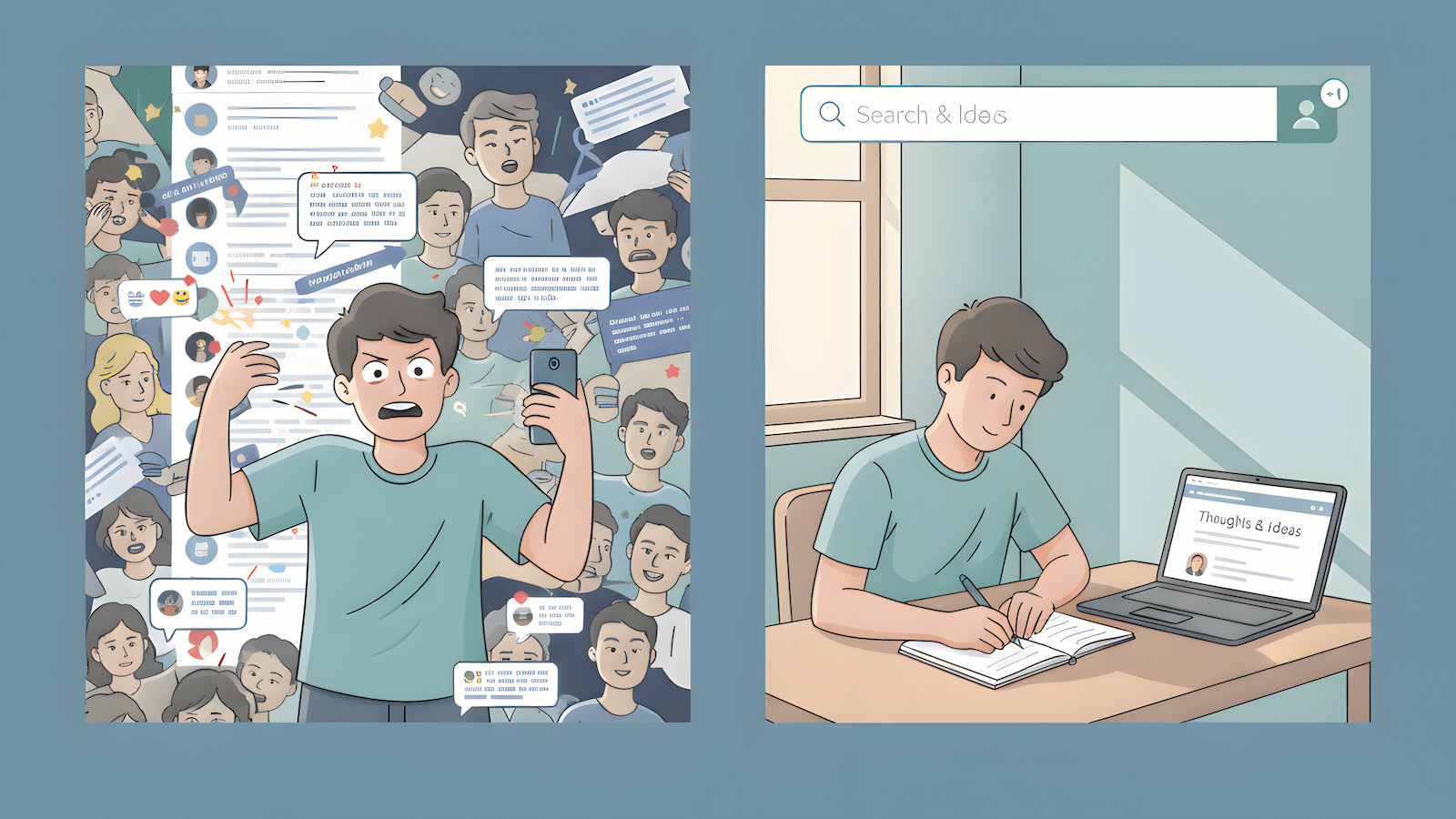
A website cannot read the room. The visitor arrives with a problem or a buying intent, but you have no voice cues, no ability to pause, and no chance to adjust mid-sentence. If you force the full diagnose-first process on every visitor, the people who already know what they want leave before the recommendation appears. If you lead only with the product grid, the people who need the reasoning bounce because it feels like a hard sell with no context.
Livestream selling on YouTube, Facebook, or TikTok sits closer to the website than to a real sales call. It is one-to-many. The presenter cannot diagnose each viewer individually. The common pattern among sellers in their twenties and thirties is to lean on visual pressure, limited-stock claims, countdown urgency, and an attractive face or high-energy performance. That approach is gimmick-first. It copies the surface of “live” while operating under the same constraint as a webpage: you cannot adapt to one person in real time. The result is forced closes that work on impulse and fail when the audience becomes resistant or the novelty wears off.
The channel constraint is the real problem. Genuine face-to-face or one-to-one selling lets you stay with the person until they decide. Website and livestream formats remove that ability. Processes that crush quotas on a real call underperform on sites and streams for the same reason. The skill did not disappear. The sequence stopped matching the medium.
This is also why so many people who come from strong live sales backgrounds struggle with affiliate marketing once they start publishing or going live on social platforms. They keep trying to recreate the adaptive conversation. The medium does not allow it.
Why most affiliate marketing advice fails here
Search for affiliate marketing and the dominant results teach definitions, program lists, or “how to get started.” Those posts answer a different question. They do not address the people who already know how to sell and are now trying to convert on their own sites or streams.
The existing content on this site already covers parts of that gap. One post explains why treating affiliate marketing as passive income is the wrong model. Another walks through how the Amazon Associates program actually pays and what the real rules are. A third shows the intent-based approach that works without an audience. None of them focus on the channel difference itself.
The missing piece is the operational shift. When the same person who used to close in a real conversation now owns the page or the livestream, the diagnose-first habit becomes a liability if it is applied as the only sequence. The page or stream has to offer a fast path for people who are ready and a clearer path for people who still need the reasoning. Most advice never reaches that level of specificity because it is written for beginners who have never sold anything in a real one-to-one setting. The gimmick-heavy livestream style that many younger sellers copy only makes the gap wider.
How to structure for both reader types on a website
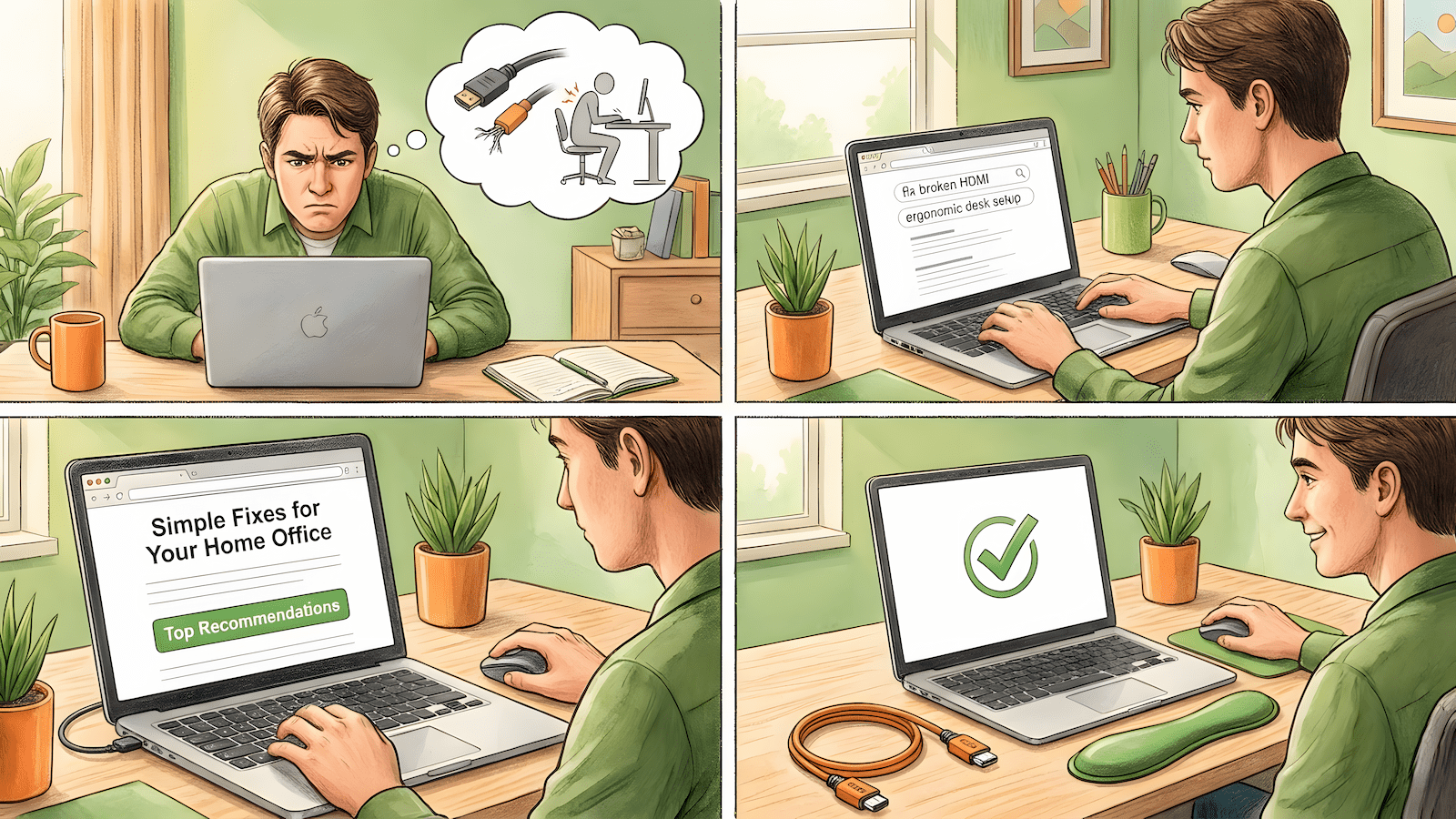
The practical solution is dual-path structure. Put the clear recommendation and the key decision factors where skimmers can find them immediately. Keep the deeper diagnostic content available for anyone who wants to understand the trade-offs before they decide.
On product and comparison posts this shows up as a clean set of quick picks near the top followed by the use-case breakdown and the honest trade-offs further down. The skimmer gets the answer in seconds. The person who needs the full picture can keep reading without feeling sold to. Both paths stay honest because the recommendations are still tied to real constraints instead of manufactured urgency or visual pressure.
The same logic applies outside pure product posts. Any page that needs to convert has to answer the buying question early for the people who are ready while still providing the context that earns trust from the rest. Forcing every visitor through a long diagnosis first is the website version of talking past the close. Leading only with the offer and fake scarcity is the website version of the gimmicky livestream close. Neither works as well as giving both routes on the same page.
This is the operational fix for people who already know how to sell in real conversations. Keep the diagnostic skill. Stop applying it as the only sequence. Build the page so the fast path and the reasoning path can coexist. Avoid the livestream habit of leaning on urgency and presentation when the medium cannot support real diagnosis.
What this means if you already sell or promote
If you came from a live-call or face-to-face background, the first adjustment is recognizing that the sequence itself is channel-dependent. The consultative process that hit quota in a real conversation is still valuable. It just cannot be the only path on the page or the stream.
Audit your current posts, landing pages, and livestream approach for the same pattern. Do the recommendations appear only after a long diagnosis, or do they also exist in a form that a ready buyer can act on immediately? Are the key decision factors visible early, or buried under performance and urgency claims? The pages and streams that convert for both reader types usually show the answer first and the full reasoning second, without relying on manufactured scarcity or visual pressure as the main closer.
For affiliate marketing specifically, the same dual-path approach is what separates posts that generate consistent commissions from posts that only attract traffic. The head keyword may be broad, but the click and the conversion come from the clarity of the channel-aware structure. People searching for affiliate marketing advice are not a single group. Some want the fast answer. Some want the full system. A page that serves only one of them leaves the other half behind.
The skill you already have from real selling is still the advantage. The work is translating it into mediums that cannot adapt in real time. Once the structure accounts for that constraint, the same diagnostic thinking that worked in a genuine conversation becomes an asset on the page instead of a source of lost conversions.