Some links on this page are Amazon affiliate links. If you choose to buy through them, RemoteWorkHaven may earn a small commission at no extra cost to you.
These links only appear where tools or setup gear naturally fit the topic. No paid placements. No brand endorsements.
Most desk advice is backwards. It starts with labels such as gaming, office, standing and if that name alone explains how your body, attention, and workload behave across an entire day. It doesn’t. Labels describe marketing intent, not lived reality.
A desk isn’t a lifestyle choice. It’s a constraint. Once it’s in your space, it quietly shapes how long you sit, how often you move, and how much physical friction you tolerate before you even notice something’s wrong. Pick the wrong constraint and you don’t feel it immediately. You feel it months later, when discomfort becomes normal and “fixes” start stacking up around it.
This isn’t about which desk is “best.” It’s about which desk stops costing you energy every day.
Remote work doesn’t collapse because people are lazy. It collapses because the environment bleeds attention and comfort slowly, until the workday feels heavier than it should. A bad desk almost always fails in the same ways:
- It locks you into a posture you can’t escape
- It encourages static work instead of movement
- It forces you to fix downstream problems later with chairs, mats, and routines that never quite reset the baseline
Before comparing desk types, there’s one question that matters more than any feature list:
What constraint is killing your day right now?
- Space
- Movement
- Stability
- Task switching
- Body fatigue
Until that’s clear, desk shopping is just noise dressed up as productivity.
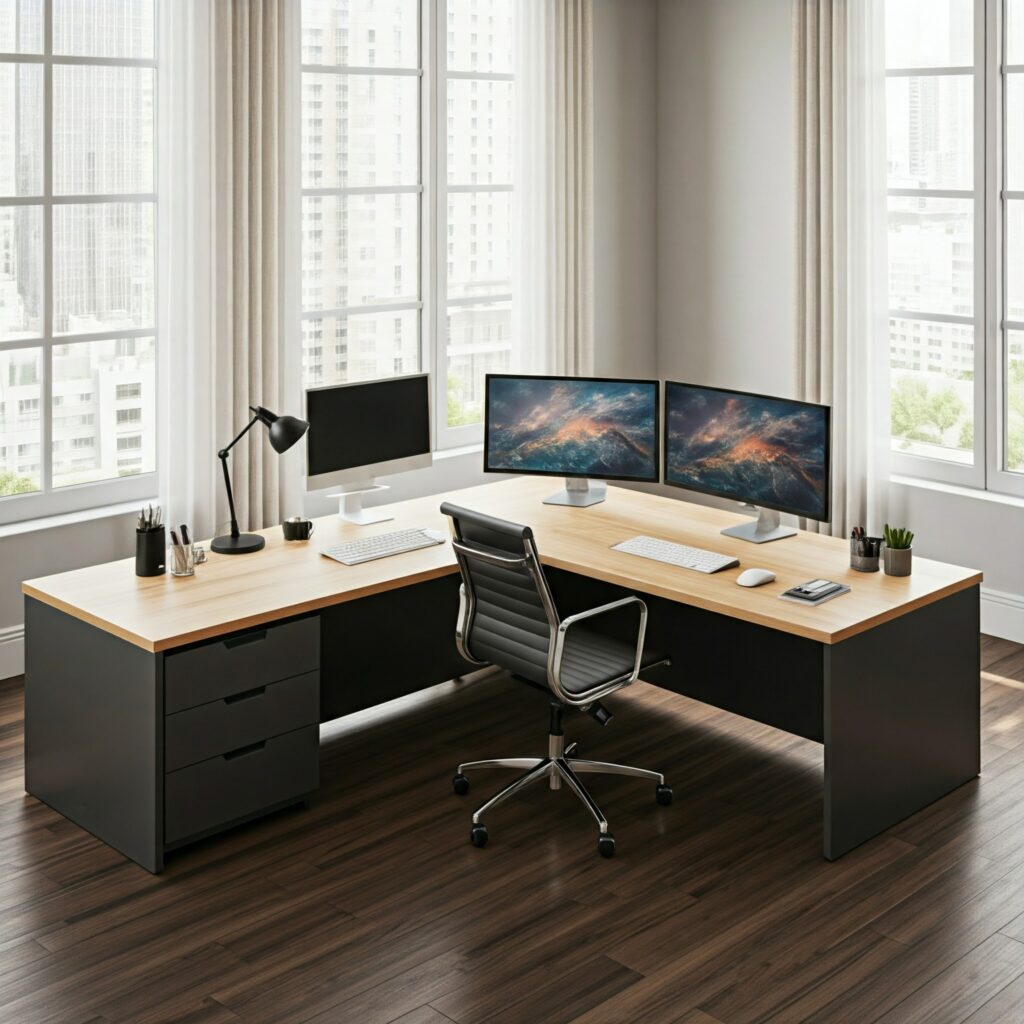
Gaming desks: built for sessions, not days
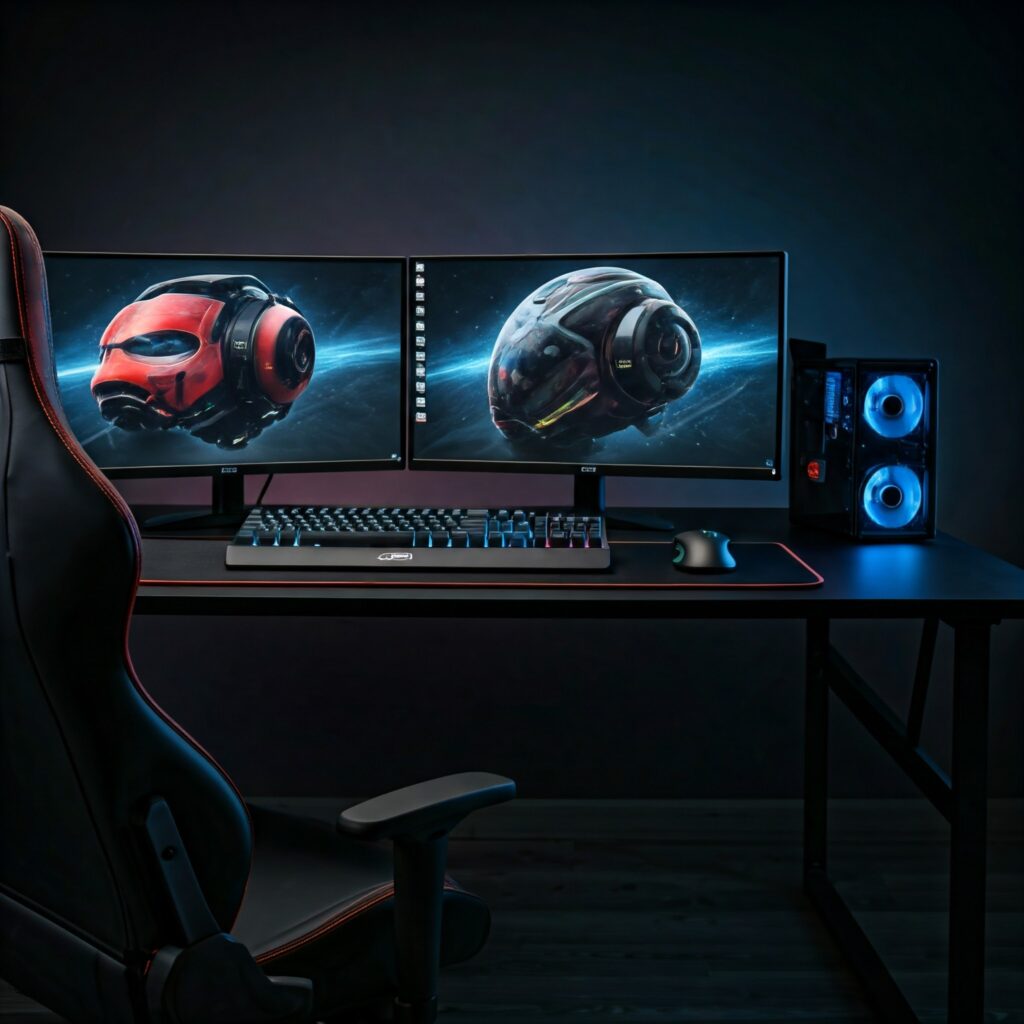
Gaming desks rarely feel wrong at first. In fact, they often feel great early on. Everything is within reach. The surface is wide. The setup looks intentional. For focused sessions, they do exactly what they’re supposed to do.
The problem shows up later when your day stops behaving like a session and starts behaving like a shift.
Gaming desks are optimized for bursts, not duration. They’re designed around:
- Fixed sitting posture
- Arm-forward positioning
- Peripheral and gear access
- Visual presence over adaptability
That design works when:
- Work happens in clearly bounded sessions
- Movement naturally happens between blocks
- Physical fatigue resets before the next session
It breaks when:
- Work stretches longer than expected
- Calls, typing, reading, and thinking blur together
- You need small posture changes throughout the day but don’t have room for them
A gaming desk isn’t bad. It’s just honest about what it was built for. The mistake is expecting it to support a workday it was never designed to carry.
Office desks: boring for a reason
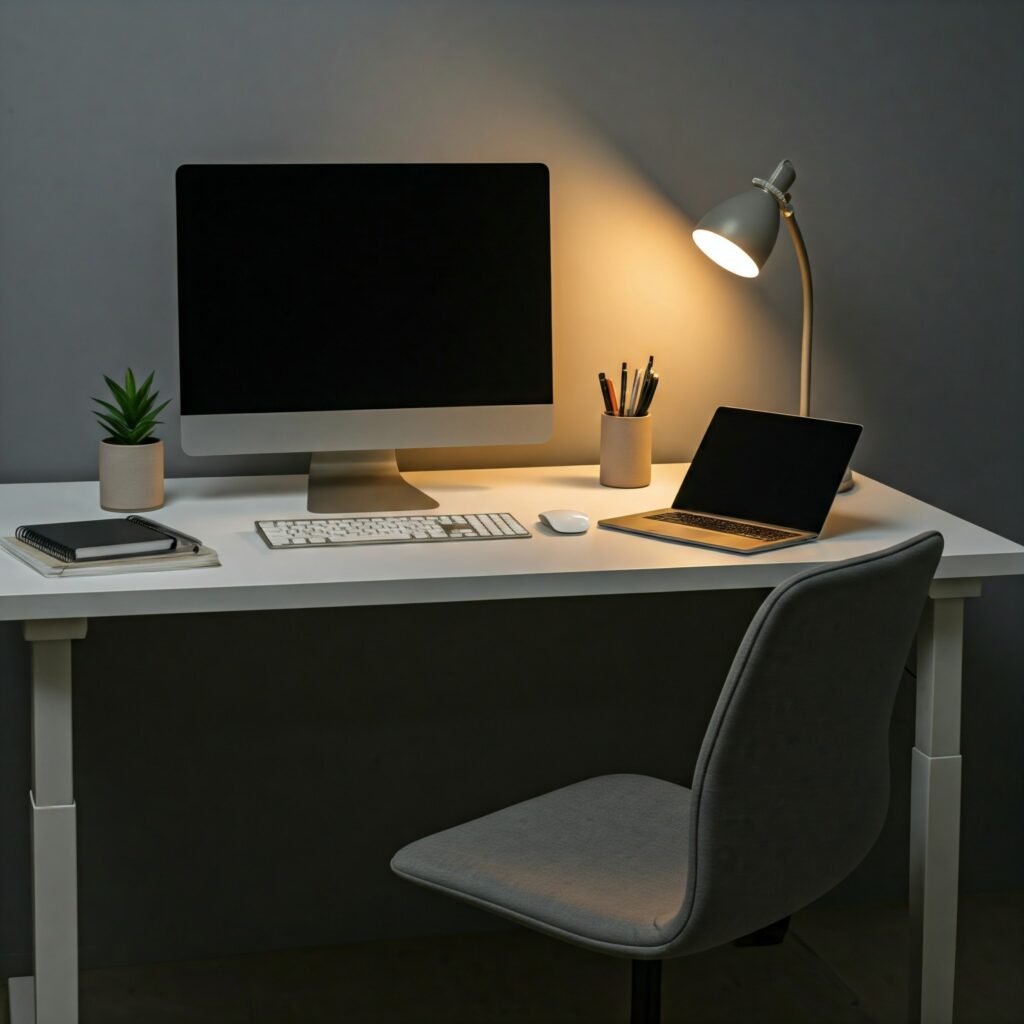
Office desks don’t try to impress you. They’re built to disappear.
They prioritize:
- Surface stability
- Neutral positioning
- Predictable ergonomics
- Long-term tolerance
They don’t promise productivity gains. They don’t claim to fix posture or motivation. What they do is remove variables. Over time, that matters more than any feature.
If your workday is heavy on writing, calls, screens, or sustained thinking, novelty becomes friction. An office desk gives you a stable baseline so your attention can stay on the work instead of the setup. That’s why so many remote workers drift back toward them after experimenting with more “exciting” options.
Boring, in this case, is functional.
Standing desks: misunderstood and misused
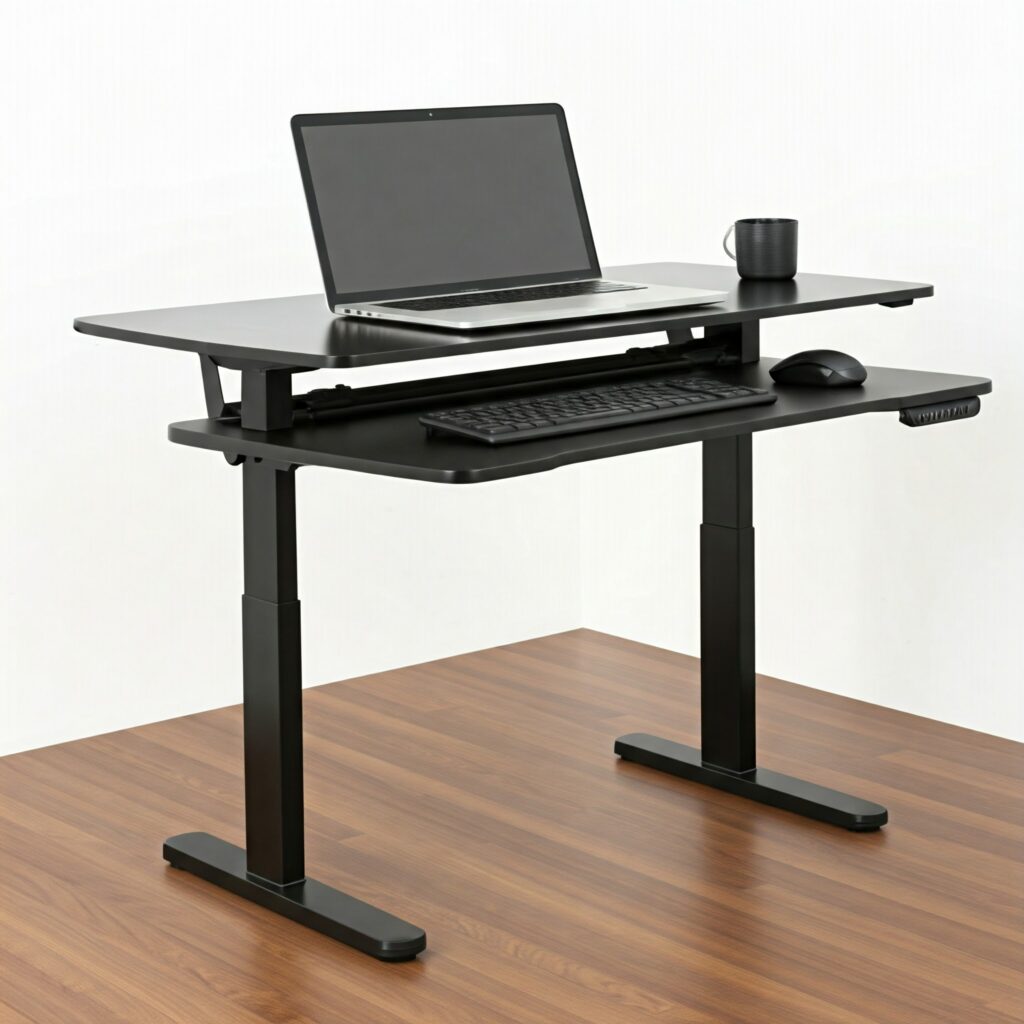
Standing desks are often sold as productivity tools. They aren’t. They’re load balancers.
Used correctly, Standing desks:
- Break long static posture cycles
- Let you redistribute physical stress
- Create natural transition points in the day
Used incorrectly, they:
- Replace sitting pain with standing pain
- Turn movement into performance
- Become expensive fixed desks with buttons
The difference isn’t the desk. It’s how often you change states.
Standing all day solves nothing. Sitting all day solves nothing. The value comes from being able to move between them without friction.
If the desk itself is part of the constraint you’re working around, this is where most people end up looking next.
The elimination test (use this, not marketing)
Instead of asking “Which desk should I buy?”, eliminate the wrong ones first.
- Choose a gaming desk only if your work genuinely mirrors focused sessions with clear start and stop boundaries
- Choose an office desk if you want stability and don’t want to think about your desk again
- Choose a standing desk if your biggest issue is being locked into one position for too long
If more than one option fits, default to the desk that removes the most friction over time, not the one that promises faster results.
Why people keep upgrading (and staying uncomfortable)
Most desk upgrades are attempts to fix behavior with hardware. That never works for long.
A desk won’t:
- Fix burnout
- Correct broken routines
- Override poor load management
But the right desk will stop making those problems worse. That’s the real win. It doesn’t hype you up. It just stops draining you.
The RWH rule
If your setup forces you to:
- Add gear just to compensate
- Learn posture tricks to survive
- Push through physical signals every day
The system is broken.
Your desk should fade into the background, not become another thing you manage.
Bottom line:
Stop optimizing labels. Start optimizing constraints. Pick the desk that lets you move, think, and work without negotiating with your body all day. Everything else is furniture marketing.

WFH Survival Architect • Licensed Procrastination Consultant
Writes about remote work as a system, not a vibe. Most problems blamed on “focus” or “discipline” are really environmental failures that compound quietly over time. This site exists to identify those constraints before they turn into burnout, pain, or bad habits disguised as productivity.
Built RemoteWorkHaven.net for people who don’t need more tools, they need setups that stop working against them.
No productivity theater. Just systems that survive real workdays.
Pingback: Stop Treating Furniture Like Decor — It’s Mission-Critical Gear
Pingback: I Rewired Remote Work After the Pandemic