Most people think affiliate marketing requires a blog first. It doesn’t.
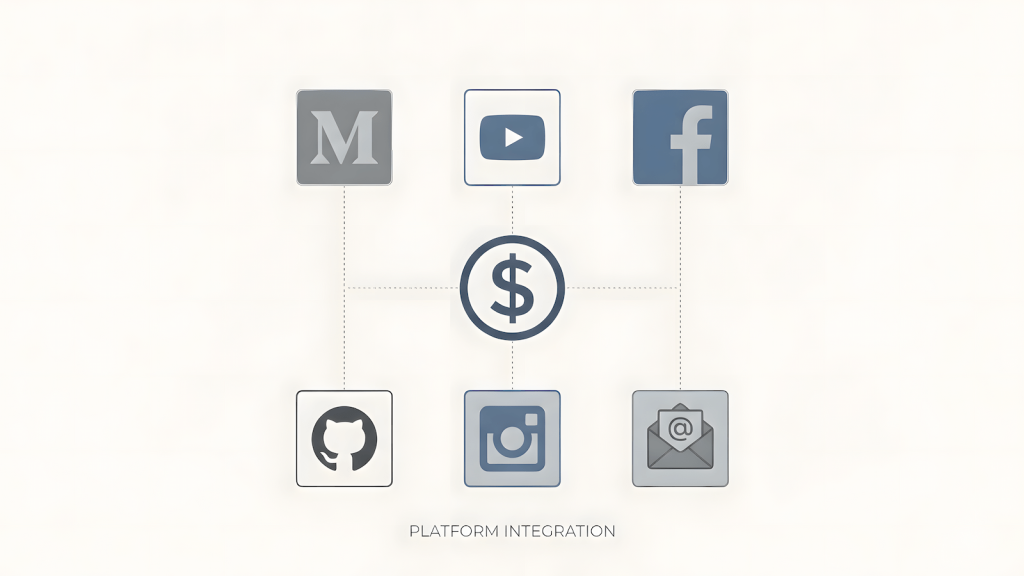
You can run affiliate links on Medium. On a Facebook page. On your personal profile. On YouTube. On GitHub Pages. On Threads. On Instagram. Even in email.
The platform changes the format. It doesn’t change the principle.
But here’s what people miss: affiliate marketing is not passive income. It’s not a side hustle you casually try. It’s not a hack.
It’s an advertising business.
And like any business, it either runs on structure or it collapses.
The Visible Version vs The One That Lasts
The internet shows you the visible version.
Flashy comparison tables. Urgency countdowns. Emotional hooks. “Limited time” banners. Affiliate links crammed into every paragraph like product placement in a bad movie.
That’s the impulse model.
It works by triggering psychology shortcuts. FOMO. Status anxiety. Lust. Scarcity.
It can spike revenue. It rarely sustains it.
The sustainable version looks different.
It shows up when someone searches “best time tracking tool for freelancers.” Or “cheapest VPN that actually works.” Or “noise-canceling headphones under $100 that don’t hurt after two hours.”
They’re not browsing. They’re deciding.
And if your page or post or video gives them a clear answer without wasting their time, they trust it enough to act.
That’s the mechanic.
Not louder. Not flashier. Just useful at the exact moment usefulness matters.
Why This Is the Next Layer After Blogging
Blogging works without followers. It earns by capturing intent. Someone searches with a problem, lands on a page, gets clarity, makes a decision.
Affiliate marketing attaches revenue to that decision.
That’s the connection.
It’s not separate from content. It’s a monetization layer on top of it.
If there’s no clarity underneath, affiliate marketing amplifies nothing.
If there’s real utility underneath, it becomes leverage.
The Part No One Explains: It’s Performance-Based
Affiliate marketing is not a 9-to-5. There’s no salary. There’s no guaranteed payout.
You get paid when someone clicks and buys. That’s it.
If traffic drops, income drops. If relevance fades, conversions fade. If trust weakens, revenue follows.
That’s not instability. That’s accountability.
Remote workers who treat affiliate marketing casually usually burn out. They post links without context. They chase payouts without testing products. They dilute their authority for $3 commissions.
Remote workers who treat it as infrastructure grow slower but last longer.
Because they’re not chasing clicks. They’re solving friction points.
You Don’t Need a Blog to Start
Here’s what most people don’t realize: you can deploy affiliate marketing anywhere content lives.
Medium — You can write product breakdowns, tool comparisons, workflow explanations. Medium doesn’t penalize affiliate links as long as the content is useful. Someone searching “best project management tool for solo freelancers” can land on your Medium post the same way they’d land on a blog.
YouTube — Product reviews. Setup walkthroughs. “Here’s what I actually use” videos. The description box holds your links. If the video solves a problem, people click.
Facebook (Personal Profile or Page) — You can post about tools you actually use. Not “buy this now” spam. Just real usage. “I’ve been using this standing desk for six months and here’s what actually matters.” Drop the link. Done.
GitHub Pages — If you’re in tech, you can build simple landing pages. Minimal, fast, indexed by search. “Best code editors for Python beginners.” Three options. Clear tradeoffs. Affiliate links. No fluff.
Threads / Instagram — Short-form breakdowns. “Here’s the mic I use for client calls. $40. Sounds better than my $150 one. Link in bio.” If it’s real, people trust it.
Email — If you have a list (even a small one), you can send gear roundups, tool recommendations, workflow upgrades. Not sales pitches. Just “here’s what I’m using and why it works.”
The channel changes the format. It doesn’t change the discipline.
And unlike the content creator treadmill that punishes silence, affiliate marketing doesn’t require you to perform on camera every week. You can write once. The post works for months.
Amazon Is Just One Option
Most people think affiliate marketing means Amazon Associates. It doesn’t.
Amazon is one rail. There are others:
SaaS referral programs — Notion, Calendly, Grammarly, Loom. These pay recurring commissions. Someone signs up through your link, you earn monthly as long as they stay subscribed.
Digital platforms — Skillshare, Coursera, Udemy. People searching for learning resources click through. You get credited.
Direct vendor partnerships — Some companies run their own affiliate programs. Especially in remote work tools, productivity software, and niche gear.
The network doesn’t define the business. Your standards do.
The Standard That Makes It Sustainable
Before you attach a link, ask:
- Does this solve a real remote work friction point?
- Have I used it long enough to understand its weaknesses?
- Would I still recommend it if there were no commission?
- Will this strengthen or dilute my authority long term?
If the answer to any of those is unclear, the link doesn’t belong.
That’s not gatekeeping. That’s the difference between a business and a gamble.
The same principle applies whether you’re writing a blog post, recording a YouTube video, or posting on Medium. The mechanics change slightly, but the core remains the same: you help someone decide, they act, you get credited.
Everyone Can Start. Not Everyone Can Sustain.
Signing up for an affiliate program takes minutes.
Getting approved for Amazon Associates takes an afternoon.
Setting up a Medium account is free.
But sustaining income from affiliate marketing takes discipline.
If you’re a freelancer, digital nomad, or remote employee, you already understand something important: freedom without structure collapses.
Affiliate marketing is the same.
Without structure, trust erodes. Recommendations weaken. Income fluctuates. Authority decays.
With structure, conversions stabilize. Credibility compounds. Income layers stack. Decisions become strategic.
This is not about posting more links. It’s about managing trust capital.
Why It Fits Remote Work
Affiliate marketing doesn’t care where you are. It doesn’t care what time you post. It doesn’t care if you’re in Manila or Ohio.
You can write a product breakdown on a Tuesday. Someone in another timezone can find it six months later. If it’s still accurate, still useful, still structured to help them decide, it works.
That’s location independence. That’s schedule flexibility. That’s remote work.
Not hype. Not shortcuts. Not disposable income.
Just structured, ongoing revenue attached to real authority.
And if you’re building remote income the right way, affiliate marketing becomes another layer of leverage.
Not loud. Not fast. Just steady.